
Opinion piece by Victoria Manoleva (11th grade)
The Japanese education system, as perfect as it may seem, has its own disadvantages among the many benefits that it serves. It’s easy to ignore them considering all the advantages, but the flaws, as few as they are, are sometimes crucial.
Although some people may think that the Japanese education system and schools are flawless, I just can’t help but disagree since they are so consumed by being first that they simply forget to truly live and look around themselves.
The basic school system in Japan is composed of elementary school (lasting six years), middle school (three years), high school (three years), and university (four years). Education is compulsory only for the nine years of elementary and middle school, but 98% of students go on to high school.
According to “Schools – Explore Japan – Kids Web Japan – Web Japan,” Japanese children enter the first grade of elementary school in the April after their sixth birthday. ( https://web-japan.org/kidsweb/explore/schools/index.html)
While most schools and universities in the world begin their academic year in September or October, in Japan it is April that marks the start of the academic and business calendar. The first day of school often coincides with one of the most beautiful natural phenomena — the time of the cherry blossoms.

There are around 30 to 40 students in a typical elementary school class. The subjects they study include Japanese, mathematics, science, social studies, music, crafts, physical education, and home economics (to learn simple cooking and sewing skills).
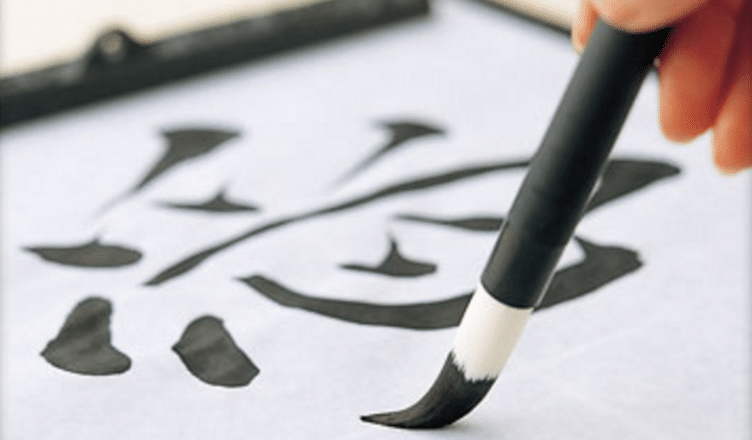
More and more elementary schools have started teaching English, too. Information technology is increasingly being used to enhance education, and most schools have access to the Internet. Students also learn traditional Japanese arts like shodo (calligraphy) and haiku. Shodo involves dipping a brush in ink and using it to write kanji (characters that are used in several East Asian countries and have their own meanings) and kana (phonetic characters derived from kanji) in an artistic style. (Kids Web Japan)
Haiku is a form of poetry developed in Japan about 400 years ago. A haiku is a short verse of 17 syllables, divided into units of five, seven, and five syllables. Haiku uses simple expressions to convey deep emotions to readers. In Japanese elementary schools, classes are divided into small teams for many activities. For example, as part of their education, every day the students clean the classrooms, halls, and yards of their school in these teams. In many elementary schools, the students eat lunch together in their classrooms, enjoying meals prepared by the school or by a local “school lunch center.” Small teams of students take turns to serve lunch to their classmates. School lunches contain a rich variety of healthy and nutritious foods, and students look forward to lunchtime. (Kids Web Japan)
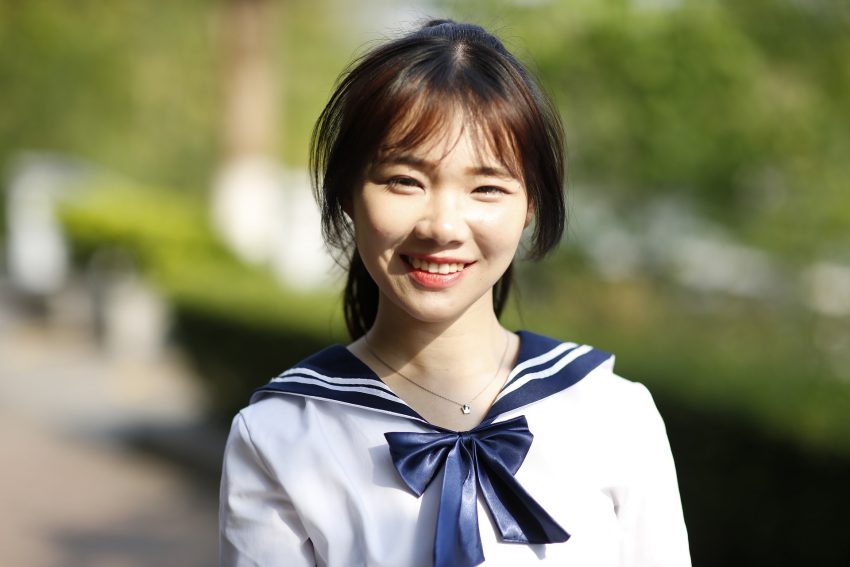
Most middle and high schools require students to wear uniforms. Boys generally wear pants and jackets with stand-up collars, and girls wear a two-piece suit with sailor collar or blazers and skirts. Almost all middle school students take part in an extracurricular club activity of their choice, such as a sports team, a musical or arts group, or a science club. (aminoapps.com) Among cultural clubs, meanwhile, one that has lately gained popularity is the Go club. Go is a strategic board game played with black and white stones. After a manga (comic book) about the game was published, more and more schoolchildren started enjoying Go. Other options for students include choir and art clubs.(www.coursehero.com)
In Japanese schools, the students don’t take any exams until they reach grade four (the age of 10). They just take small tests. It is believed that the goal for the first 3 years of school is not to judge the child’s knowledge or learning, but to establish good manners and to develop their character. Children are taught to respect other people and to be gentle to animals and nature. They also learn how to be generous, compassionate, and empathetic. Besides this, the kids are taught qualities like grit, self-control, and justice. (Brightside.me)
In order to get into a good junior high school, most Japanese students enter a preparatory school or attend private after-school workshops. The classes in these schools are held in the evenings. Seeing groups of small kids returning from their extracurricular courses late in the evening is common in Japan. Japanese students have an 8-hour school day, but apart from that they study even during the holidays and on weekends. It’s no wonder that the students in this country almost never repeat grades in primary, lower secondary, or secondary school. (Brightside.me)
However, not everything about Japanese schools and their education system is so pink. There are some disadvantages as well. One of the obvious cons is that the students in Japan are exposed to considerable pressure and suffer much tension at a very early age.
The goal of the Japanese school has been to convey knowledge from the teacher to the student and uses many standardized tests and curriculums. It teaches each child the same thing to the best of their ability without worrying about each child’s individual set of skills as much. (www2.ed.gov) Even though this may seem a bad thing, Japanese levels of achievement in children are very high. Even though this achievement rate is high and has led to a success in industry in the nation, Japanese schools have seen a lack in creativity because of the way the school program is structured. In contrast with Japan, the United States is more of a “heterogeneous nation”. The culture of the United states greatly emphasises in individual and their unique set of skills and personality. Although this encourages creativity, American achievement rate is not as high as in Japanese schools. (www.kibin.com)
The following sources were used for this article: